Description
The
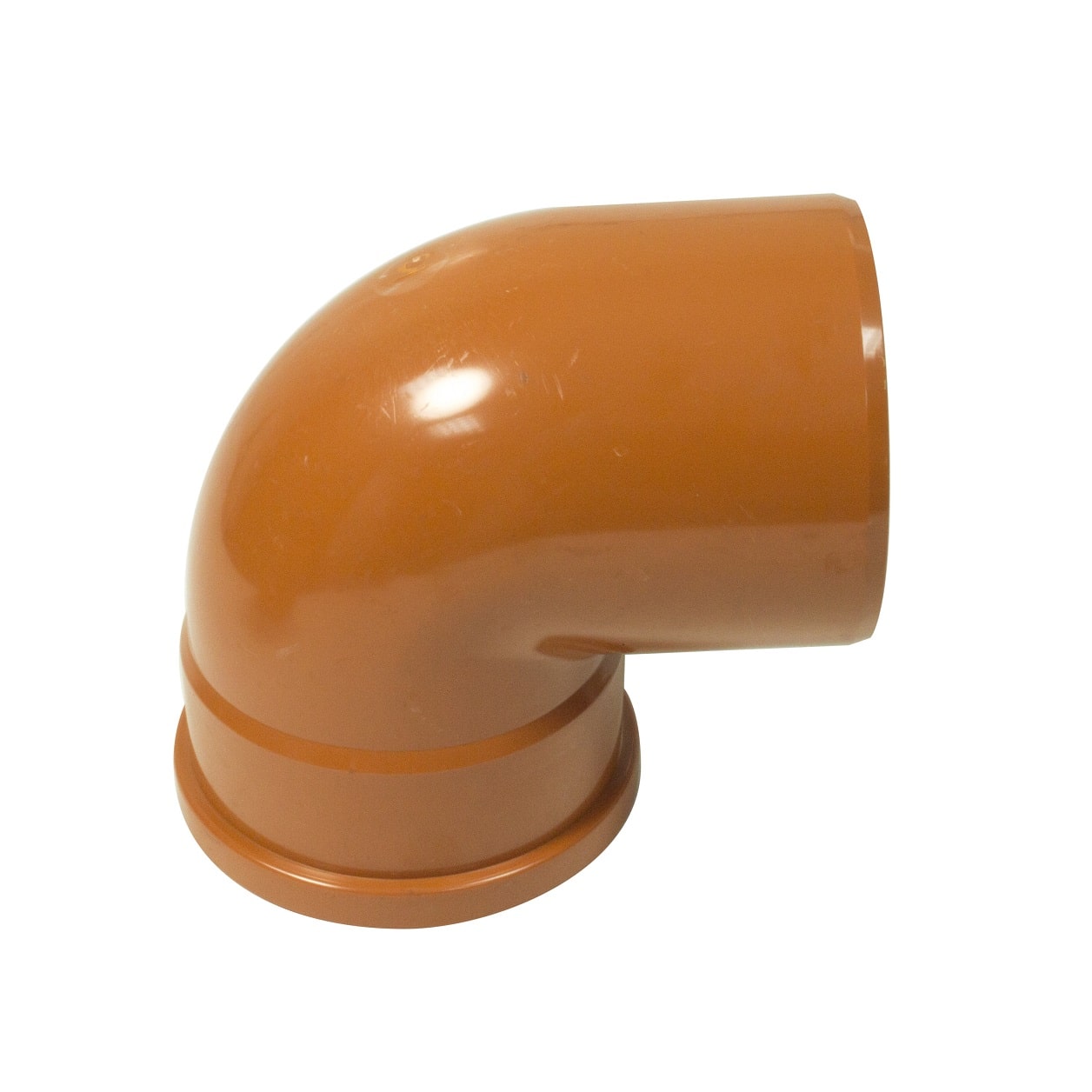
160mm 90 degree tight bend provides a compact near-right-angle change of direction within compatible underground drainage systems. This
160mm single socket bend offers a space-saving
160mm underground drainage bend with a
single socket tight bend configuration, making it a practical
90 degree drainage bend for foul-water and surface-water pipework. The tight-radius profile takes up less installation space than swept or long-radius alternatives, making it particularly useful where a compact change of direction is required within a restricted trench or drainage layout.
160mm 90 Degree Tight Bend
The
160mm 90 degree tight bend is designed for compatible 160mm underground drainage systems where the pipe run needs to make a substantial directional change within a relatively compact area. Its short-radius profile distinguishes it from swept and long-radius bends, which require considerably more installation space.
Choosing a 160mm 90 Degree Tight Bend
Choose the
160mm 90 degree tight bend where the drainage route requires a near-right-angle turn and available installation space does not suit a larger swept or long-radius fitting. Consider future inspection and rodding access when incorporating tighter changes of direction into an underground drainage system.
160mm Single Socket Bend
The
160mm single socket bend uses one integral socket connection and one plain spigot end. The socket can accept compatible plain-ended drainage pipe, while the spigot end can insert into a suitable 160mm socket, coupler or other compatible underground drainage fitting.
Installing a 160mm Single Socket Bend
Before installing the
160mm single socket bend, check that the socket, sealing ring and adjoining pipe surfaces are clean and free from grit or damage. Use suitable underground drainage lubricant where required and insert the prepared pipe end squarely into the socket without disturbing the ring seal.
160mm Underground Drainage Bend
The
160mm underground drainage bend provides a directional fitting for larger below-ground gravity drainage systems. The 160mm nominal size is suitable for compatible foul-water, surface-water and rainwater drainage installations where larger pipework is required.
160mm Underground Drainage Bend Applications
The
160mm underground drainage bend can form part of domestic, commercial and groundwork drainage systems where the pipe route requires a compact change in direction.
Single Socket Tight Bend
A
single socket tight bend combines a compact bend radius with one socketed connection and one plain spigot. This connection arrangement allows the fitting to integrate neatly into compatible underground drainage pipework without requiring sockets at both ends.
Single Socket Tight Bend Connections
When fitting the
single socket tight bend, make sure the plain spigot connection is inserted into a suitable compatible drainage socket. Do not force misaligned pipework through the bend, as the surrounding pipe should be correctly positioned and supported before final assembly.
90 Degree Drainage Bend
A
90 degree drainage bend provides a major directional change within the drainage route. The tight profile makes this fitting particularly useful where a larger sweeping bend would occupy too much space within the trench or surrounding groundworks.
Using a 90 Degree Drainage Bend
When incorporating a
90 degree drainage bend, consider the direction of flow and the location of suitable inspection or rodding access elsewhere in the drainage system. The bend and adjoining pipework should be correctly bedded and supported before backfilling.
160mm 90 Degree Tight Bend for Restricted Spaces
The
160mm 90 degree tight bend is especially useful where the drainage layout has limited space for changing direction. Its compact footprint can help route 160mm pipework around structural features, trench boundaries and other underground services where a long-radius fitting would not fit comfortably.
Tight Bend vs Swept Bend
A tight bend makes the directional change over a shorter distance, creating a compact fitting. A swept bend uses a broader curve and therefore requires more installation space, but provides a more gradual route through the direction change. Select the bend style that best suits the available space, drainage design and maintenance requirements.
Tight Bend vs Long Radius Bend
A long-radius bend spreads the directional change over a considerably larger curve than a tight bend. Where trench space permits, a long-radius bend may provide a more gradual flow route. Where space is restricted, the compact tight bend can be the more practical option.
Single Socket vs Double Socket Bend
A single-socket fitting uses one socket and one plain spigot end. A double-socket bend has integral sockets at both ends and can accept compatible plain-ended pipe on either side. Choose the connection arrangement that best matches the surrounding drainage fittings.
Push-Fit Ring Seal Connection
The socket uses a ring seal for straightforward push-fit assembly with compatible underground drainage pipe. Keep the seal and jointing surfaces clean and use suitable drainage lubricant where required to help protect the sealing ring during installation.
PVC-U Underground Drainage
This type of fitting forms part of compatible PVC-U underground drainage systems used for non-pressure gravity drainage. PVC-U is lightweight, corrosion resistant and widely used for foul-water and surface-water drainage below ground.
BS EN 1401 Underground Drainage
BS EN 1401-1 covers PVC-U pipes, fittings and systems for non-pressure underground drainage and sewerage, including buried wastewater and surface-water applications. For standards information, see the
BSI BS EN 1401-1 reference.
Preparing 160mm Drainage Pipe
If drainage pipe needs shortening, make a clean square cut and remove burrs from the prepared end. Chamfer the pipe where required before insertion to help protect the ring seal and keep all socket and pipe surfaces free from contamination.
Bedding and Support
The bend and adjoining pipework should be evenly supported using suitable underground drainage bedding. Avoid leaving the fitting suspended between unsupported sections of pipe, as movement after backfilling can place unnecessary stress on the joints.
160mm 90 Degree Tight Bend Applications
The
160mm 90 degree tight bend is suitable for compatible applications including:
- 160mm underground drainage
- Compact near-right-angle changes in direction
- Restricted installation spaces
- Foul-water drainage
- Surface-water drainage
- Rainwater drainage
- Domestic groundworks
- Commercial drainage systems
- Drainage repairs and alterations
160mm 90 Degree Tight Bend Key Features
- Nominal size: 160mm
- Trade angle: 90°
- Compact tight-radius profile
- Single socket configuration
- One socket and one plain spigot end
- Push-fit ring-seal connection
- Suitable for compatible underground gravity drainage
- Suitable for foul-water and surface-water applications
- Useful where installation space is restricted
Shop 160mm Underground Drainage
Browse our complete
160mm Underground Drainage range for pipes, bends, branches, couplers, reducers and access fittings. You can also browse our wider
Underground Drainage range for additional pipe sizes, inspection chambers and drainage accessories. The
160mm 90 degree tight bend combines a compact
160mm single socket bend configuration with a practical
160mm underground drainage bend design, providing a space-saving
single socket tight bend and useful
90 degree drainage bend for compatible drainage systems.